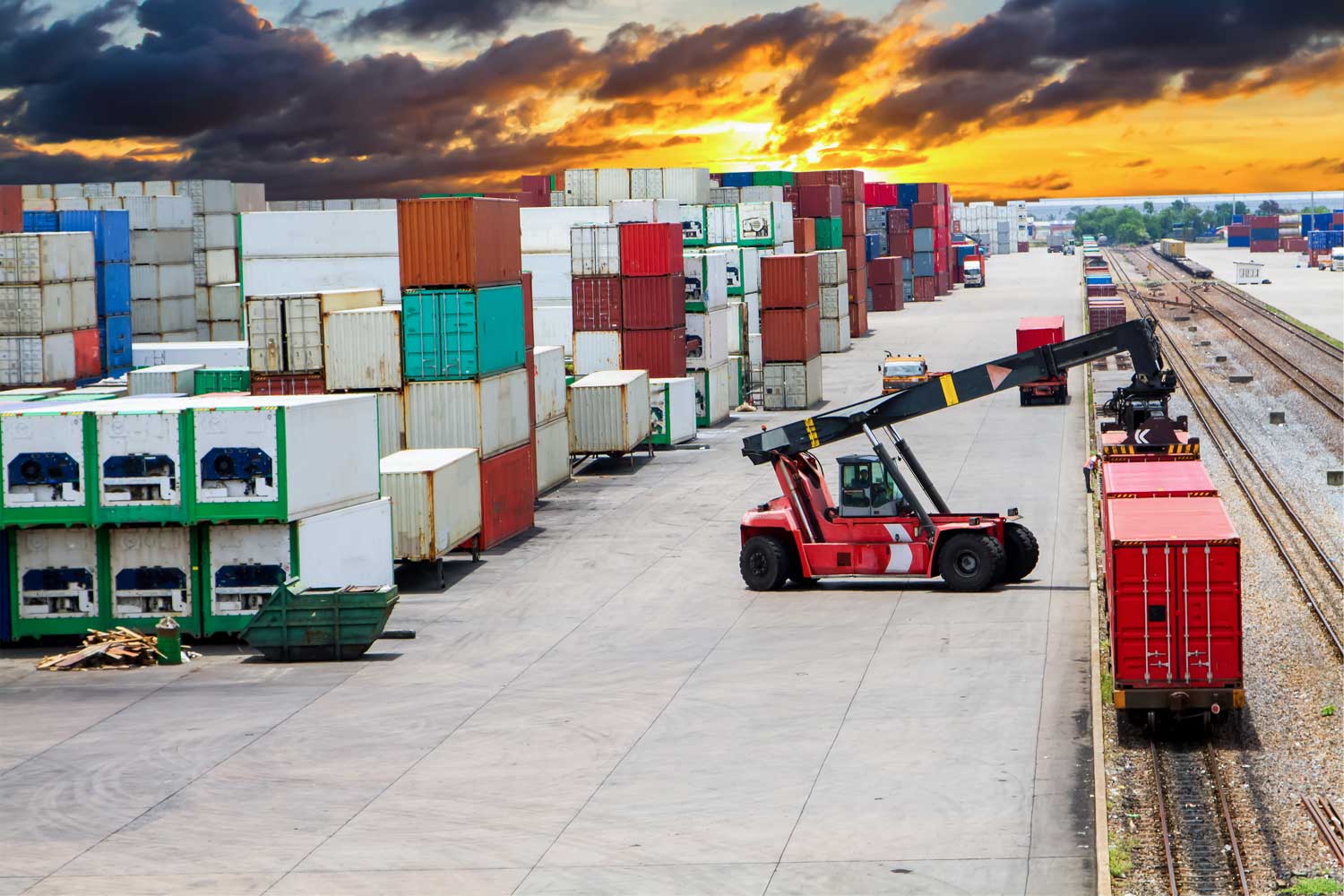
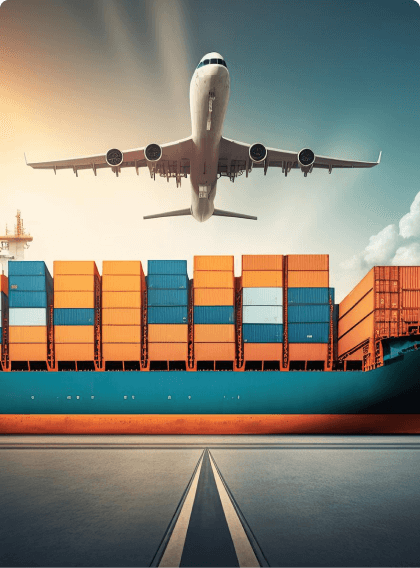
Intermodal Service refers to a method of transporting goods using multiple modes of transportation—such as trucks, trains, ships, and airplanes—within a single shipment, without handling the cargo itself when changing modes. The goods are typically transported in standardized containers, which makes it easier to transfer between different transportation modes.
Intermodal service is widely used in global trade and domestic shipping due to its efficiency, cost-effectiveness, and ability to reduce environmental impact. By leveraging the strengths of each mode of transportation, businesses can achieve optimized shipping solutions.
Key Features and Benefits
1
Standardized Containers
Goods are transported in uniform containers, such as 20-foot or 40-foot containers, ensuring seamless transfers between modes.
3
Flexibility
Intermodal services can accommodate a wide range of goods, from bulk commodities to high-value items, across domestic and international routes.
2
Environmental Benefits
Rail and sea transport produce fewer greenhouse gas emissions compared to trucks and airplanes, making intermodal service a greener option.
4
Reduced Congestion
Shifting some segments of the journey to rail or sea transport reduces highway traffic and congestion.